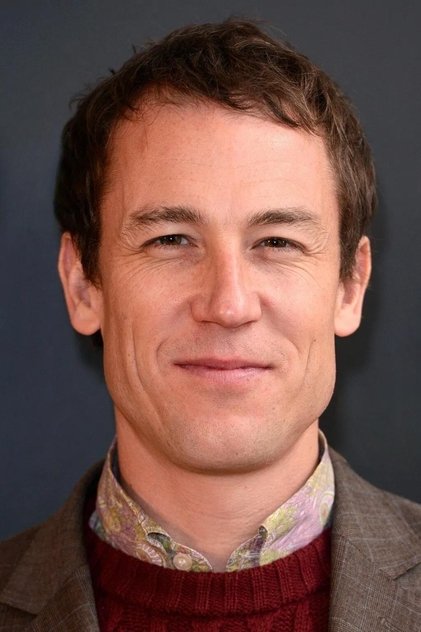
 Tobias Menzies
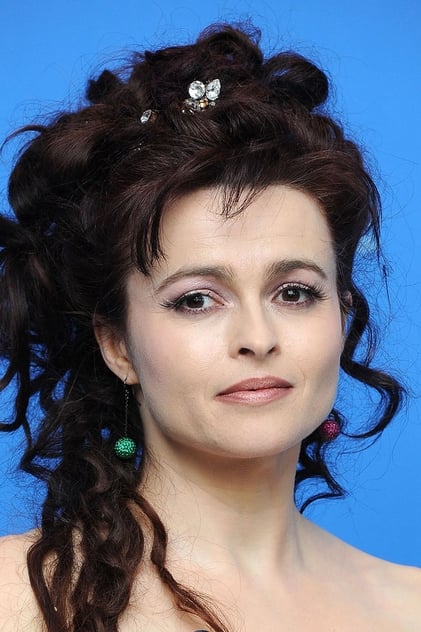 Helena Bonham Carter
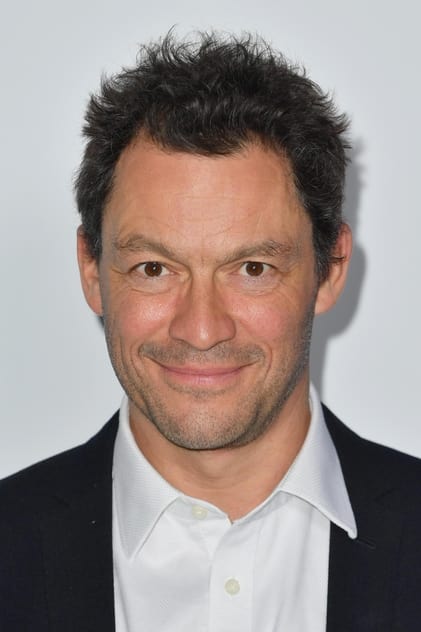 Dominic West
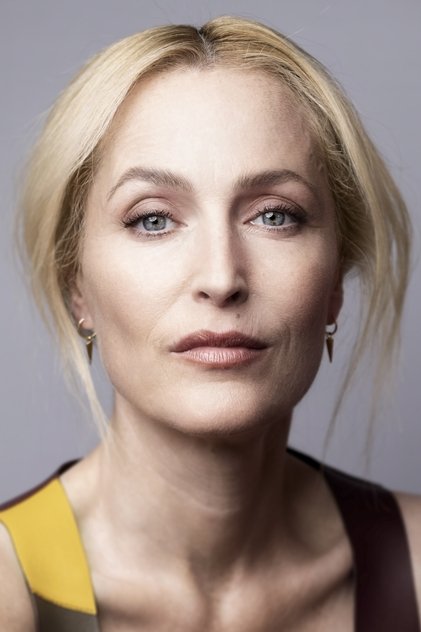 Gillian Anderson
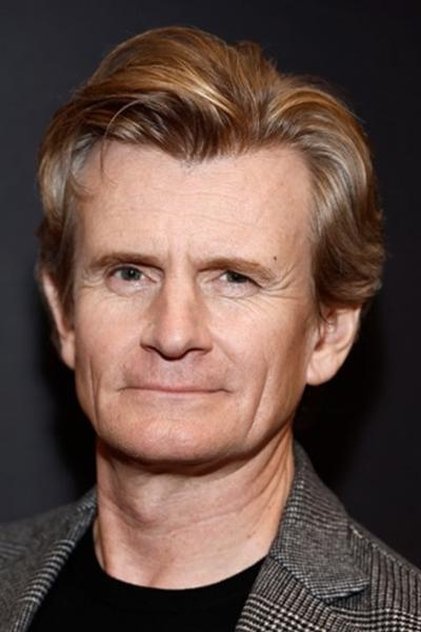 Charles Edwards
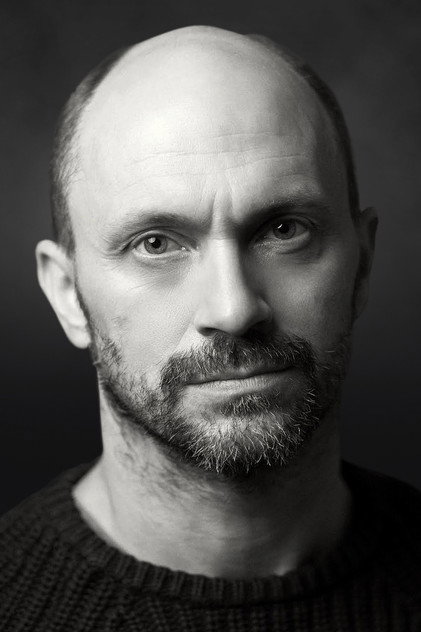 Will Keen
 Jason Watkins
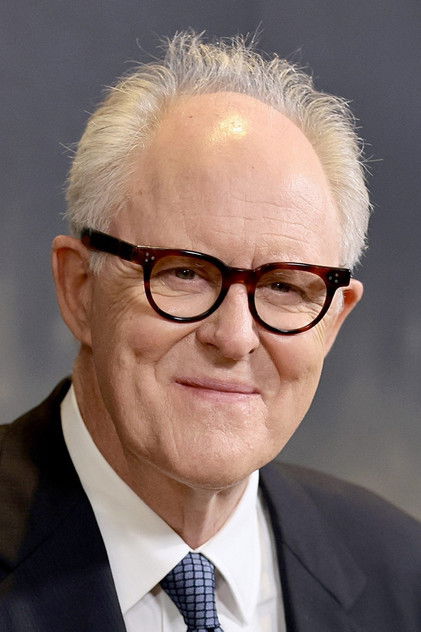 John Lithgow
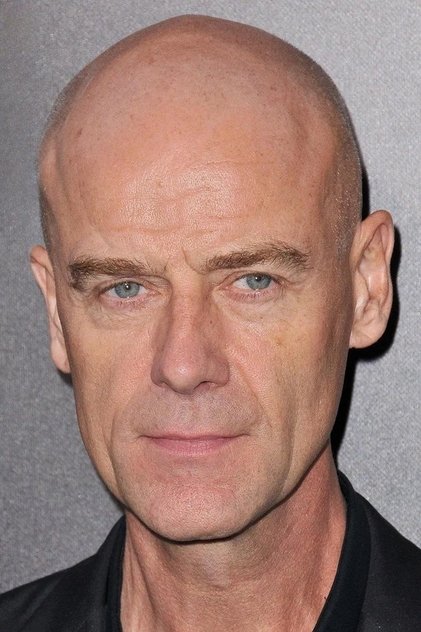 Pip Torrens
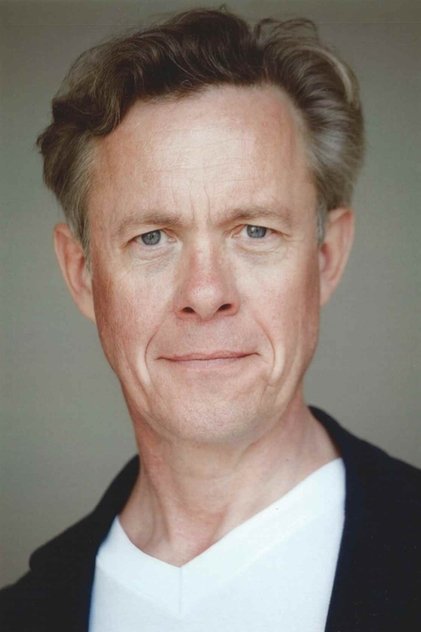 Alex Jennings
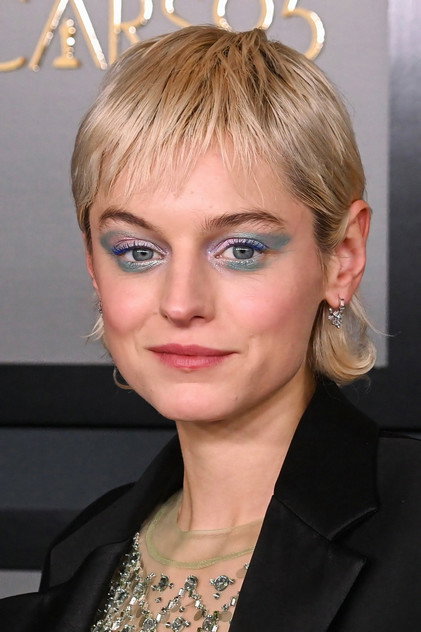 Emma Corrin
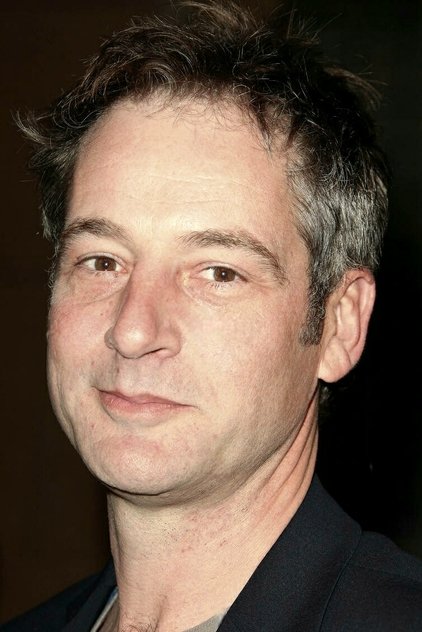 Jeremy Northam

John Major reports back on a permanently tipsy Yeltsin
Fresh from Moscow, the prime minister admires Yeltsin's courage in the coup but doubts he ever saw him sober, and reveals Yeltsin longs to visit the palace.
Scenes they share, playable as one run
The Crown
Fresh from Moscow, the prime minister admires Yeltsin's courage in the coup but doubts he ever saw him sober, and reveals Yeltsin longs to visit the palace.
Philip lists a three-week whirl of ceremonies and carriage driving; the Queen notes how differently they are made.
Research into Yeltsin's early career leads to a quiet reveal: his old city is where Ipatiev House stood.
At lunch Yeltsin confides that Russians are monarchists at heart and raises a boisterous toast.
Invited to Moscow, the Queen first demands accountability for the destroyed murder house; Yeltsin promises the Romanovs a decent burial.
Posing for the cameras, Yeltsin mutters threats and mocks the palace while the interpreter smoothly translates it into pleasantries.
The Queen explains the maternal-line DNA test, only to find Philip already knows all about it and wonders why she never asked more.
Philip walks the Queen through the science and the near-certain match, then muses on fate and free will; she finds it all rather banal.
The Queen confides that Philip's new passion for Russia feels like a shared adventure after years of growing apart.
As the first British monarch in Moscow, the Queen speaks of frozen kinship and a new thaw, words that echo her own marriage.
The stalled Romanov funeral turns into a bitter exchange in which Philip lists their differences and admits his loneliness.
Pressed by the Queen, Philip names a young friend as his closest companion, insists it is innocent, and asks the Queen to be seen with her.
On a walk at Windsor, Philip's young friend floats a theory that George V passed up a chance to save the Tsar; the Queen bristles.
A royal diary recounts the 1917 breakfast, and the flashback completes: the Queen's grandmother says no to the rescue.
The prime minister reports the Romanov burial can go ahead; the Queen wonders whether Yeltsin was giddy or tipsy and muses on Russia.
Congratulated on 47 years of marriage, the Queen recalls Anna Dostoevsky's secret: opposites who never tried to change each other.

Marking William's first day, the Queen asks Robert whether she might have the boy over for tea without breaking school rules.
The Queen finishes William's sentences about Eton's odd vocabulary, then gently asks how he feels about his parents.
The Queen wants news of Diana; Margaret lists what they share as outsiders but insists they never trade confidences.

Urged to replace an ancient television, the Queen insists switching to satellite would be treason for a head of state.
At a birthday lunch the Queen learns the BBC lost the races; later the chairman's wife suggests a BBC special to cheer her.
The royal households get satellite TV with large-print remotes, racing channels and repeats nobody admits to watching.
Diana tells the Queen about the BBC interview; the Queen answers that she has defended her every time.
Too late to stop it, the Queen notes the broadcast falls on her anniversary; Diana wistfully congratulates her.
The anniversary gala opens and a singer belts out the show number in front of the Queen.
News reports call the interview astonishing, and the chairman offers the Queen his apology and his resignation.

A mother and sovereign writes that ending the marriage is now inevitable and preferable, against all her convictions.
Worried the lawyers will fight, the Queen asks the Prime Minister to mediate, and he relishes the role of calm umpire.
The Prime Minister reports a breakthrough in the negotiations, and the Queen quietly grieves how it has all ended.
Mother and son speak once the divorce is done; he feels no relief, and she spares a thought for Diana.