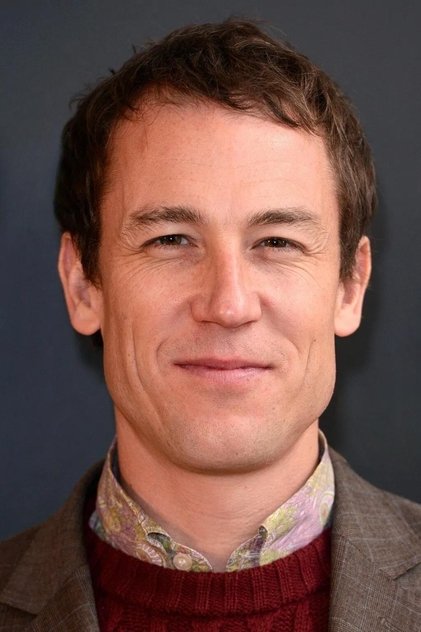
 Tobias Menzies
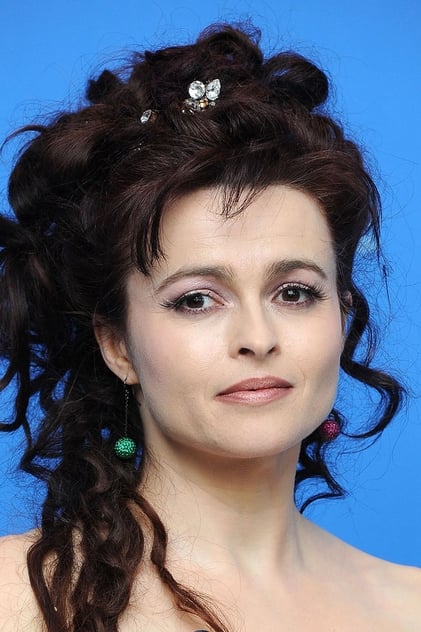 Helena Bonham Carter
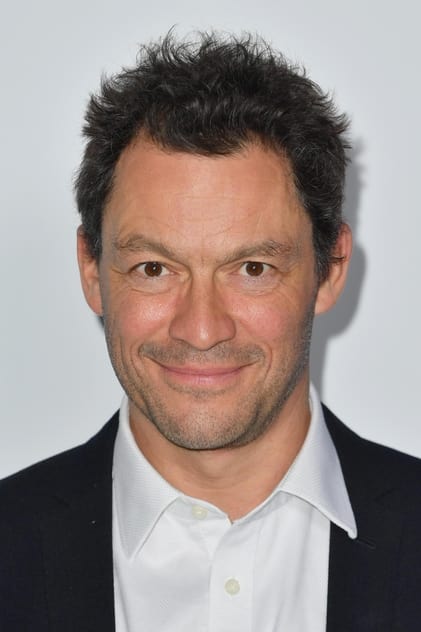 Dominic West
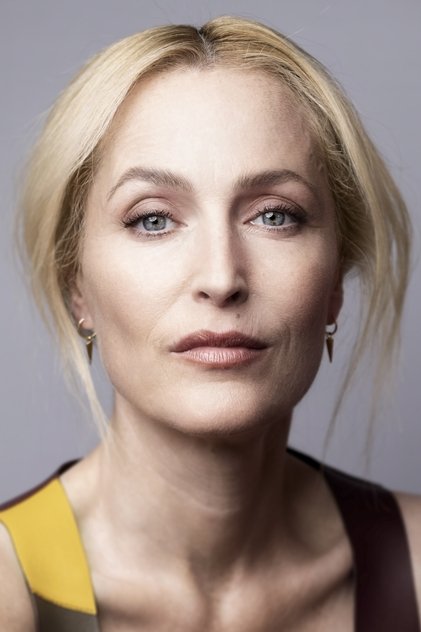 Gillian Anderson
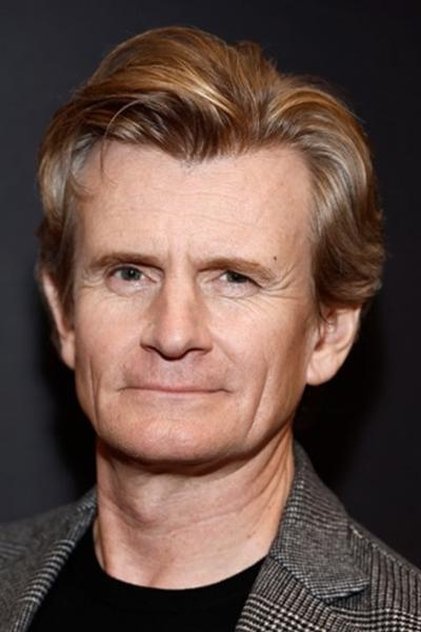 Charles Edwards
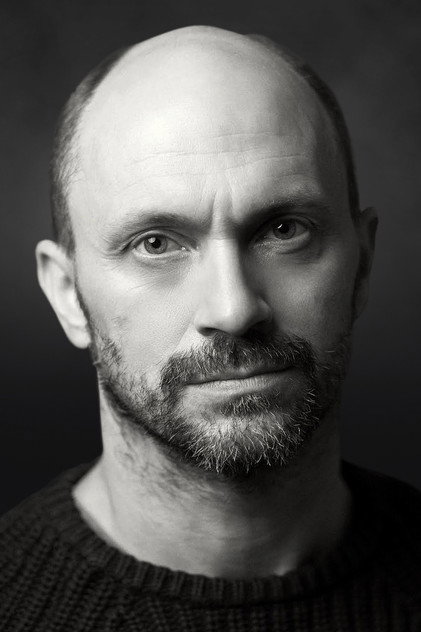 Will Keen
 Jason Watkins
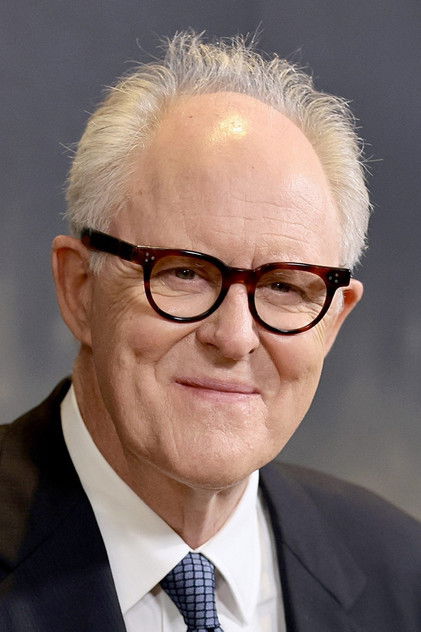 John Lithgow
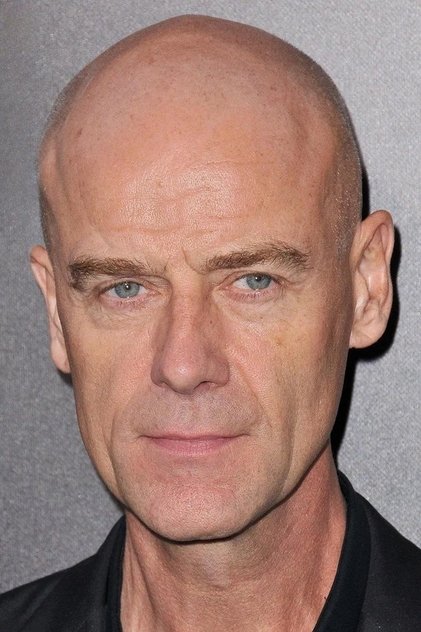 Pip Torrens
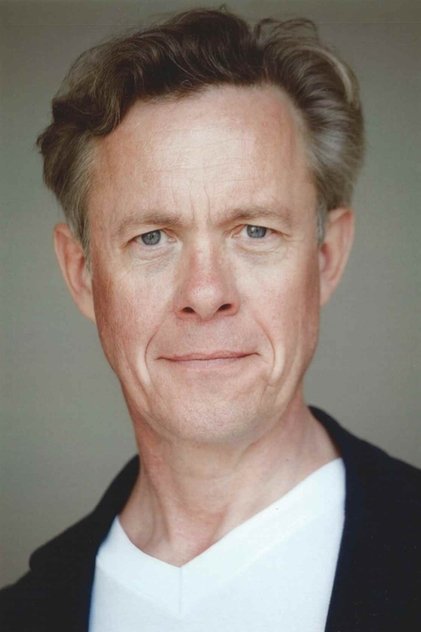 Alex Jennings
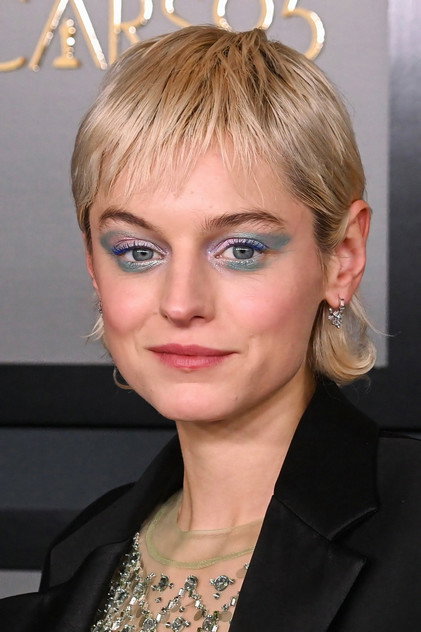 Emma Corrin
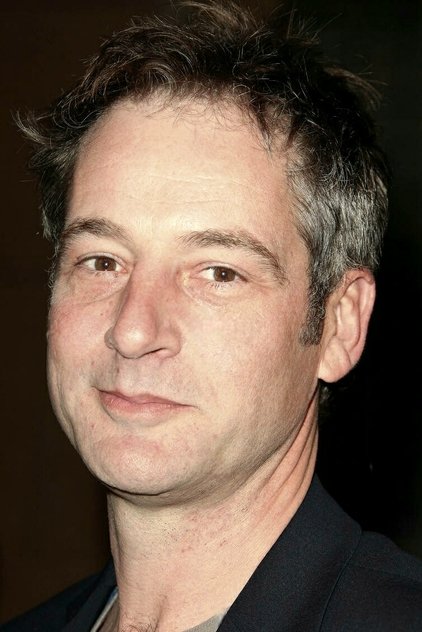 Jeremy Northam

Wilson asks the Queen to comfort the people
Wilson urges the Queen to visit Aberfan; she argues a monarch only gets in the way, and he insists she simply comfort people.
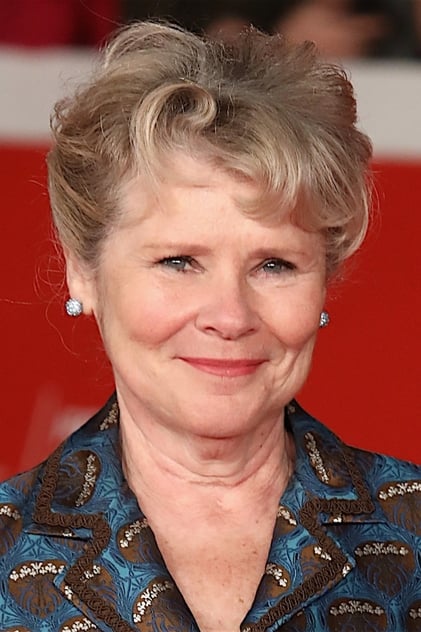
Scenes they share, playable as one run
The Crown
Wilson urges the Queen to visit Aberfan; she argues a monarch only gets in the way, and he insists she simply comfort people.
Over a morning whisky, Margaret recounts Tony's call from a phone box: the school, the mortuary, the hospital and the endless walk.
Back from the funeral, Philip describes the community's rage and its singing; the Queen presses him on whether he wept.
An aide walks the Queen through the itinerary and gently warns that in Wales a show of emotion is expected, before the long silent journey.
Introduced to families who lost children, the Queen receives a gift from the surviving children and asks to hear the funeral hymn.
The Queen says her earlier prime ministers would have faced her directly, and accuses Wilson of going behind her back.
The Queen confesses she faked a tear in Aberfan and has never wept when others did, fearing something in her is missing.
Wilson admits he prefers brandy and cigars, plays the working man for the cameras, and tells the Queen leaders barely need humanity.

In audience, the Prime Minister recounts a Cabinet uproar over the cost of the royals and a worrying swing toward cutting the Civil List.
Wilson admits he is conflicted on a pay rise; the Queen hits back over Margaret's American trip, and Philip promises to fight for proper pay.
A crossed line keeps asking for 'sweetie' until the Queen explains she answers only to darling or cabbage.
Philip, recalling his family's flight from Greece in an orange crate, persuades a reluctant Queen to let cameras film the family.
With a coup in Athens, Philip refuses to let his mother jeopardise the film; the Queen orders her brought over anyway.
The Queen welcomes Philip's mother, who asks after her son by a pet name; he is too busy with the film to greet her.
Told to act natural on camera, the family squirms through a dull programme and bickers about drink until the crew calls cut.
Alice and her granddaughter tell the Queen the convent needs a new roof and suggest selling a painting or a clock or two.
Gathered round the set, the royals wince at their hair and the Privy Council as the film airs to the nation.
The Prime Minister explains why television failed the royals: people want an ideal, so ritual and mystery are what keep the monarchy alive.
After the film backfires, the Queen offers her plain-speaking daughter to the paper's critics for an in-depth profile.
Offered overseas sales and a BBC repeat, the Queen orders that the documentary never be seen again by anyone.

The favourite chases the leaders to the final straight and falls away; afterwards she asks Porchey what has gone wrong.
The Prime Minister confesses the pound must be devalued; the Queen picks this moment to say she will be away for weeks.
After a French stud visit she asks whether they have slipped too far behind, and floats going to America.
Dazzled by American methods, the Queen and Porchey look for a younger racing manager, and she asks him to take it.
She admits horses are what she was born for and wonders how much happier she might have been, then snaps at an interruption.
The Prime Minister tells the Queen a member of her family is plotting against his government, and spells out the cost.
She confronts Mountbatten about the Bank of England lunch, defends doing nothing, and points him to his family duties.
Back from abroad, the Queen is quizzed on the long trip and Porchey's new role, before a quiet word on getting old.

The Earl Marshal wants a 1911 repeat of troops and warships; the Queen later mocks it as an invasion.
Advisers want the investiture more inclusive and propose pulling Charles out of Cambridge for a term in Wales.